By Angela Kryhul
From game-day surges to shifting guest behaviour, experts from Destination Toronto, Destination Vancouver and Boston Pizza reveal how foodservice operators can turn major sporting moments into memorable guest experiences.
Now that FIFA World Cup 2026 has wrapped, restaurants, caterers, sports venues, hotels, convention centres and destination organizations can turn their attention to the lessons it leaves behind, and how those insights can strengthen preparations for future sporting events, from international championships to weekend tournaments.
That opportunity was the focus of a recent Restaurants Canada webinar featuring perspectives from destination organizations and a major foodservice operator. The central message was clear: successful event hosting depends on early preparation, an understanding of how visitors move within the host destination and the flexibility to adapt when guest behaviour differs from expectations.
Discovering the destination
Toronto and Vancouver’s plans for the World Cup focused not only on moving spectators to stadiums and fan zones, but also on encouraging visitors to explore neighbourhoods as well as local restaurants, attractions and events. That dispersion created opportunities for businesses beyond the immediate event. It also underlined the role destination organizations can play by sharing event calendars, marketing resources, visitor information and guidance on viewing-party rules and protected intellectual property.
”There’s a great opportunity for businesses around a stadium footprint to capitalize on those folks who arrive earlier and stay longer after a game,” says Sarah Jarvis, director of community engagement, Destination Toronto. “With [an event like FIFA], you’ve got ticket holders, fans that are going to Fan Fest and people that are just attracted to the energy. Because it’s an opportunity to celebrate citywide, we focused on getting people out and exploring neighbourhoods, attractions, and of course, places to eat.”
“We know that Vancouver and Toronto were the places to be [for the FIFA games], but it doesn’t mean that your restaurant in Timmins or Saskatchewan can’t participate,” adds Stephanie Albanese, director of operations, Ontario & Atlantic, Boston Pizza. “Soccer fans are everywhere. Find out what your market wants and be ready to ‘own’ a [sporting] event in your community.”
Seeking hidden gems
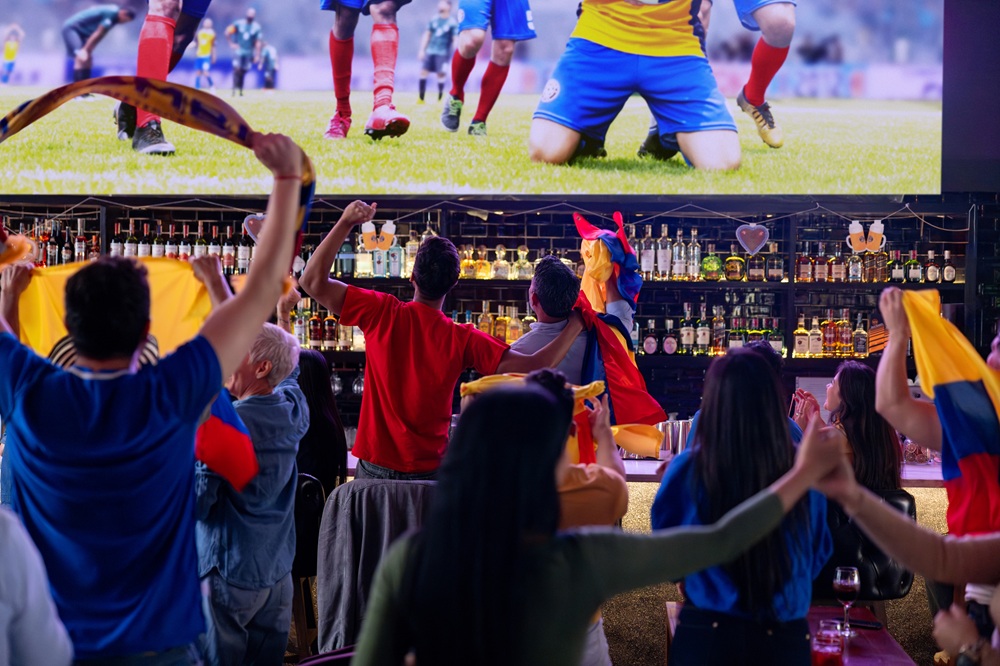
For restaurants, game times can influence everything from staffing and inventory to menu mix and table turnover, Albanese says. Morning, midday and evening matches attract different guest profiles and spending patterns. Fans may arrive several hours before kickoff, stay through an entire match or linger afterwards, increasing demand for appetizers, shareable dishes and extended service while reducing the number of times a table can be turned.
Restaurateurs shouldn’t underestimate the willingness of some visitors to travel outside the downtown core in search of unique culinary experiences, notes Rohaan Sethna, director of sales, meetings and events, Destination Vancouver.
“People are willing to find those hidden gems. Even if you’re a restaurant or business that is further out, see how you can get involved and ensure that your business is showing up and maximizing those opportunities,” Sethna advises.
10 ways to prepare for the next big sporting event:
1: Study the full event schedule. Account for kickoff times, gate-opening periods, fan-zone programming, possible overtime and overlapping concerts, festivals or games.
2: Map expected visitor flows. Track road closures, transit changes, pedestrian routes, delivery restrictions and the areas where guests may gather before and after an event.
3: Staff for the surge. Schedule around anticipated peaks, train additional employees early and identify team members who can be called in when demand exceeds expectations.
4: Adjust purchasing and inventory levels with suppliers. Review delivery windows and backup options for high-demand ingredients and beverages.
5: Adapt the offer to the occasion. Consider shareable dishes, fast pre-game choices, family-friendly options and service formats suited both to guests rushing to make kickoff and those who linger longer than usual.
6: Expect slower table turnover. Plan your seating, reservations and wait-list communications accordingly.
7: Plan for more walk-ins. Many visitors will choose where to eat on the go rather than book ahead. Keep your hours, menus, event offerings and business listings current across social media, websites, search platforms and other digital channels.
8: Create a reason to visit. Businesses outside the host-city core can still become gathering places by understanding local fan communities and creating a welcoming event atmosphere.
9: Confirm compliance requirements. Check liquor licences, patio permissions, occupancy rules, responsible-service obligations and regulations governing broadcasts, ticketing, promotions and event trademarks.
10: Plan for additional waste, cleaning and washroom demand, and confirm whether municipal collection schedules will change or be more frequent during major sporting events.
===========
Watch the Restaurants Canada webinar:
Published July 2026